Volvo XC60 common issues
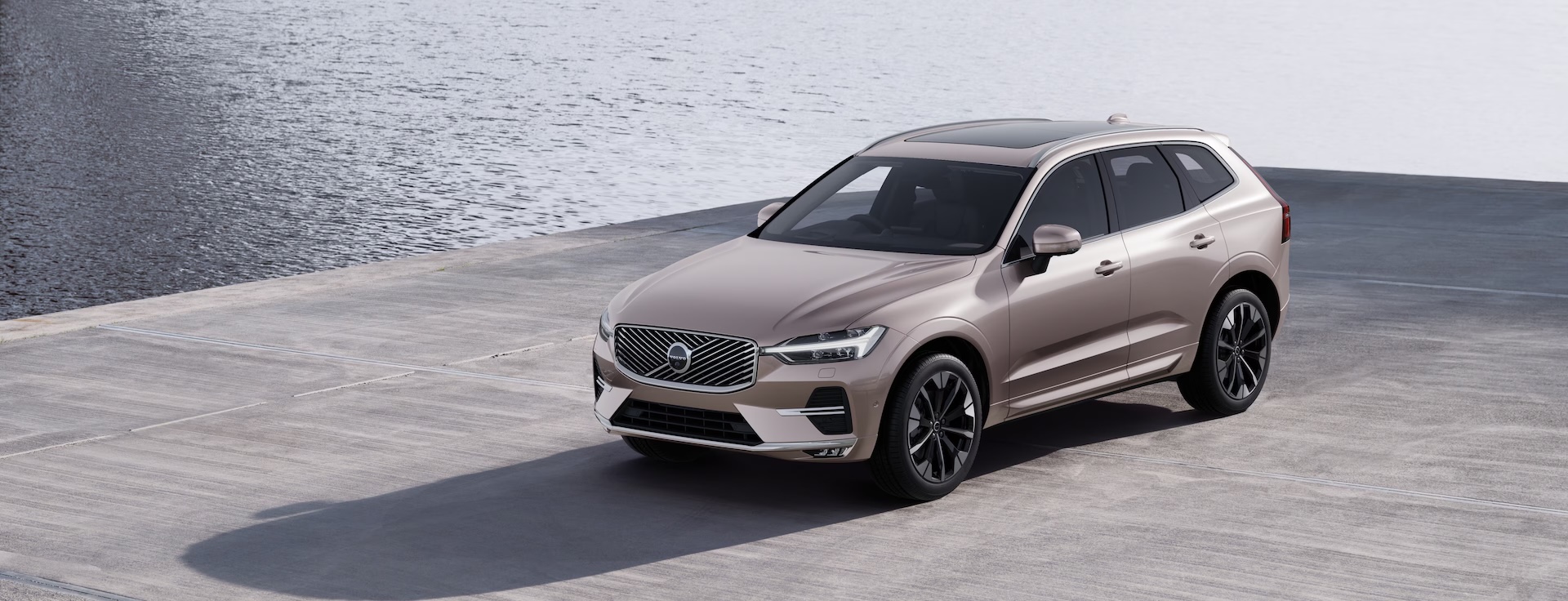
After we shared the chronic issues of the Volvo XC90 that we compiled last month, many of our followers asked for information about other Volvo models—especially the XC60. While the XC90 stands out as one of the Swedish-Chinese brand’s more problematic models, the XC60 generally has issues that are easier to live with and manage.
As always, when buying this car, it’s crucial to choose the right model year and engine, understand the sources and costs of potential problems, and take the necessary precautions to be prepared for possible failures.
Engines
All options are 2.0-liter and turbocharged:
- D4: Sold in 2017–2018, diesel, 190 hp
- B4: From 2019 onward, mild-hybrid diesel, 197 hp
- B5: From 2023 onward, mild-hybrid petrol, 250 hp
- T6: Produced until 2021, petrol (turbo + supercharger), 320 hp
- T8 Recharge: Plug-in hybrid. Initially 390 or 405 hp (Polestar), increased to 455 hp from 2022 onward
Problems
Electrical / electronic:
Up to the first facelift, the operating system was Volvo’s own Sensus. Although relatively outdated, it was a mature and stable system. From the second half of 2022 onward, Volvo switched to the Android-based AAOS system, which has attracted more complaints, though software updates have partially addressed the issues:
- Parking sensor failure
- Air conditioning not working
- CarPlay connection errors
- Doors locking by themselves
- Infotainment system shutting down
- Passenger seatbelt warning when no passenger is present
- Steering wheel buttons not working
- Headlights turning on and off by themselves
- Seat heating turning on and off on its own
- On Call system not working and constantly displaying warnings
Mechanical:
- As with the XC90, diesel versions commonly suffer from turbo failures starting around 30,000 km, torn turbo hoses, oil consumption, piston failure, and upper cylinder head or complete engine replacement around 120,000 km.
- On Recharge models, engine warning lights, limp mode (maximum speed limited to 70 km/h), and charging cable jamming can occur. From around 50,000–80,000 km, the rear electric motor (ERAD) bearing can fail, disabling the motor.
- On B5 models, coolant leaks and overheating can be seen.
- In general, petrol engines may consume oil.
Bodywork:
- As with other current Volvo models, water leaks around the panoramic sunroof, the sunshade coming loose, and clogged drainage channels are common. The seals need to be replaced roughly every five years.
- On 2017–2019 models, the power tailgate struts can fail; there is an official recall for this issue.
- Air suspension bellows and compressors can also fail.
Sources
2 Comments