

Most underrated used cars: 2.5–3 million TL
In our live streams, we try to find cars that give you the best value for your money, best fit your criteria, and won’t break your back or cause headaches. Some models become popular — meaning they sell quickly — so consumers end up buying them without comparing rivals or asking questions, which drives their market prices up excessively. On the other hand, this situation brings to light some “hidden gem” cars that are overlooked, offer more value than expected, and cause fewer problems.
In this article series, which last month focused on cars priced between 2–2.5 million TL, we’ll continue uncovering such gems across different price ranges and classes. This month, we’re raising the bar to the 2.5–3 million TL segment.
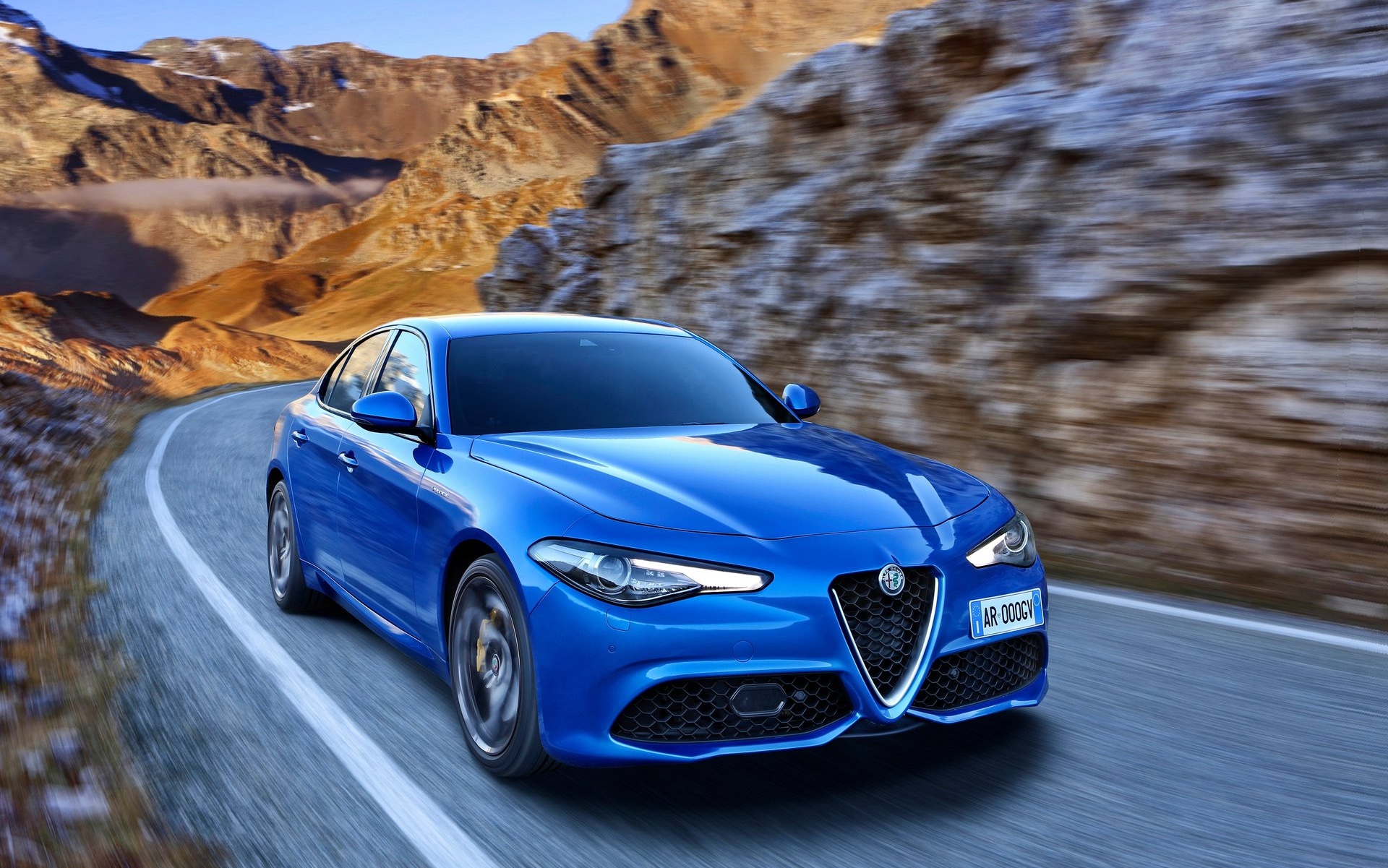
Built on the Giorgio platform — shared with its high-riding sibling Stelvio and luxury cousin Maserati Grecale — the Giulia’s standout feature is its use of reverse engineering during development. Normally, brands develop standard models first, then release high-performance versions a few years later. Alfa, however, did the opposite: it first engineered the 505 hp Quadrifoglio, then created the “standard” Giulia by changing the engine and removing elements like the carbon-fiber hood and roof (though the differences go far beyond that). For this reason, while a BMW G20 320i can’t come close to an M3 experience, the 2.0 Giulia can deliver a taste of the QV’s spirit. With 50/50 weight distribution, a carbon driveshaft, 330 mm 4-piston Brembo brakes, and — perhaps most importantly — an organic steering feel, the Giulia is a true driver’s car. The 280 hp AWD models were sold as Veloce and Lusso, while the 200 hp RWD ones came as Sprint. The 2023 Competizione trim made nearly all previously optional features standard, and this facelift added adaptive LED matrix headlights and a 12.3-inch digital instrument cluster. Pre-2020 models had a non-touch 8.8-inch center display. Lusso trims focus on luxury and comfort: beige seats offer less lateral support, and the console is wood-trimmed. The large (aluminum) shift paddles are quintessential Giulia — often missing on Sprint and Lusso versions. Most 280 hp cars are well equipped, with features like adaptive suspension and panoramic sunroof. All Giulias have an electronic differential lock; mechanical rear diffs are standard on AWD and included in the Q2 Performance Package for RWD.
What to watch out for:
Rear seat space is tight, the center screen is slow, and average fuel consumption is around 10 L/100 km. ESP cannot be fully disabled (it’s possible with a data logger or Multiecuscan, but costly). The hood tends to vibrate at high speeds and needs frequent adjustment. Trim noises may come from the sunroof and dashboard. The oil cooler can crack, causing engine oil to mix with the coolant — the resulting oil-water blend can spread throughout hoses, valves, and even the heater core inside the dash. Turbo gasket (O-ring) leaks and wastegate actuator rod failures are also seen.
Hyundai Santa Fe (2019–2023)
Though mechanically identical to the 4th-gen MQ4 Kia Sorento, the Santa Fe is around 100 kg lighter — yet the Sorento accelerates slightly faster (0–100 km/h in 8.6s vs 9.1s). Cargo volume is 571 L vs 608 L in the Kia. Still, Hyundai earns its spot here mainly due to lower prices. According to WhatCar, the Santa Fe ranks among the most reliable modern cars. This 7-seater D-SUV combines a 180 hp 1.6 T-GDI engine with a 60 hp electric motor for a total of 230 hp, mated to a 6-speed torque-converter automatic. Unlike the Toyota RAV4 Hybrid, where the gasoline engine drives only the front wheels and the electric motor the rear, the Santa Fe has a physical driveshaft — meaning it’s permanently AWD even with a depleted battery. Urban fuel consumption around 8–9 L/100 km is quite low for its 1,917 kg weight. Designed with the U.S. market in mind, the Santa Fe prioritizes comfort; 19-inch wheels with 55-profile tires also contribute to smooth ride quality. From the 589W 10-speaker Krell sound system to heated, cooled, and memory seats, equipment levels are generous. Other notable features include:
- When signaling, a rear-side camera feed appears in the instrument cluster.
- You can move the car forward or backward remotely from the key fob for tight parking spots.
- The tailgate opens automatically if you stand near it for 2 seconds.
- Even the 3rd row has USB ports and adjustable fan speed.
Santa Fe has also been rated among the safest vehicles in its class by IIHS.
What to watch out for:
Some owners report jerking or shuddering related to the hybrid system. Dealers replace coils and spark plugs, but the issue sometimes persists. There have been cases of battery failure leaving drivers stranded, and sourcing replacement parts from abroad can take weeks.
BMW iX3 (2020–2025)
Unlike many brands, BMW keeps its EVs traditional in both design and function. The G08 iX3 shares most of its structure with the G01 X3 but weighs around 450 kg more (2,260 kg total). The eDrive30 trim, with its price advantage, stands out for value — often about 1.5 million TL cheaper than the 2.0 diesel equivalent. This RWD model produces 286 hp, does 0–100 km/h in 6.8 seconds, and uses an 80 kWh (net 74 kWh) NMC battery for a WLTP range of 460 km — realistically closer to ~350 km. At 150 kW DC chargers, 0–80% takes 34 minutes. While range may seem modest for the price, the iX3 compensates with superb interior quality and craftsmanship. In a market where plastic tubs with glued-on screens are hailed as “tech marvels,” the iX3’s cabin reminds you what “premium” truly means. The 2022 facelift added a redesigned dashboard, a 12.3-inch screen (up from 10.3), a new steering wheel, and ConnectedDrive integration. Panoramic sunroof, keyless entry, adaptive cruise, and electric memory seats are all standard on the eDrive30.
What to watch out for:
These vehicles undergo maintenance every 2 years: key battery, wipers, pollen filter, and — when needed — brake discs/pads (which last about twice as long as in ICE cars thanks to regenerative braking). Battery warranty: 8 years / 160,000 km. Top speed limited to 180 km/h. Some examples have shown high-voltage system faults. Daytime running LEDs in the headlights tend to fail around 50,000 km.
So, what models up to 3 million TL do you consider hidden opportunities—those with weak demand but high value? Please share in the comments.
8 Comments