
Opel turbo engine issues and how to prevent them
Here's another infamous engine(s) that I've been approaching cautiously and warning you about during my livestreams.
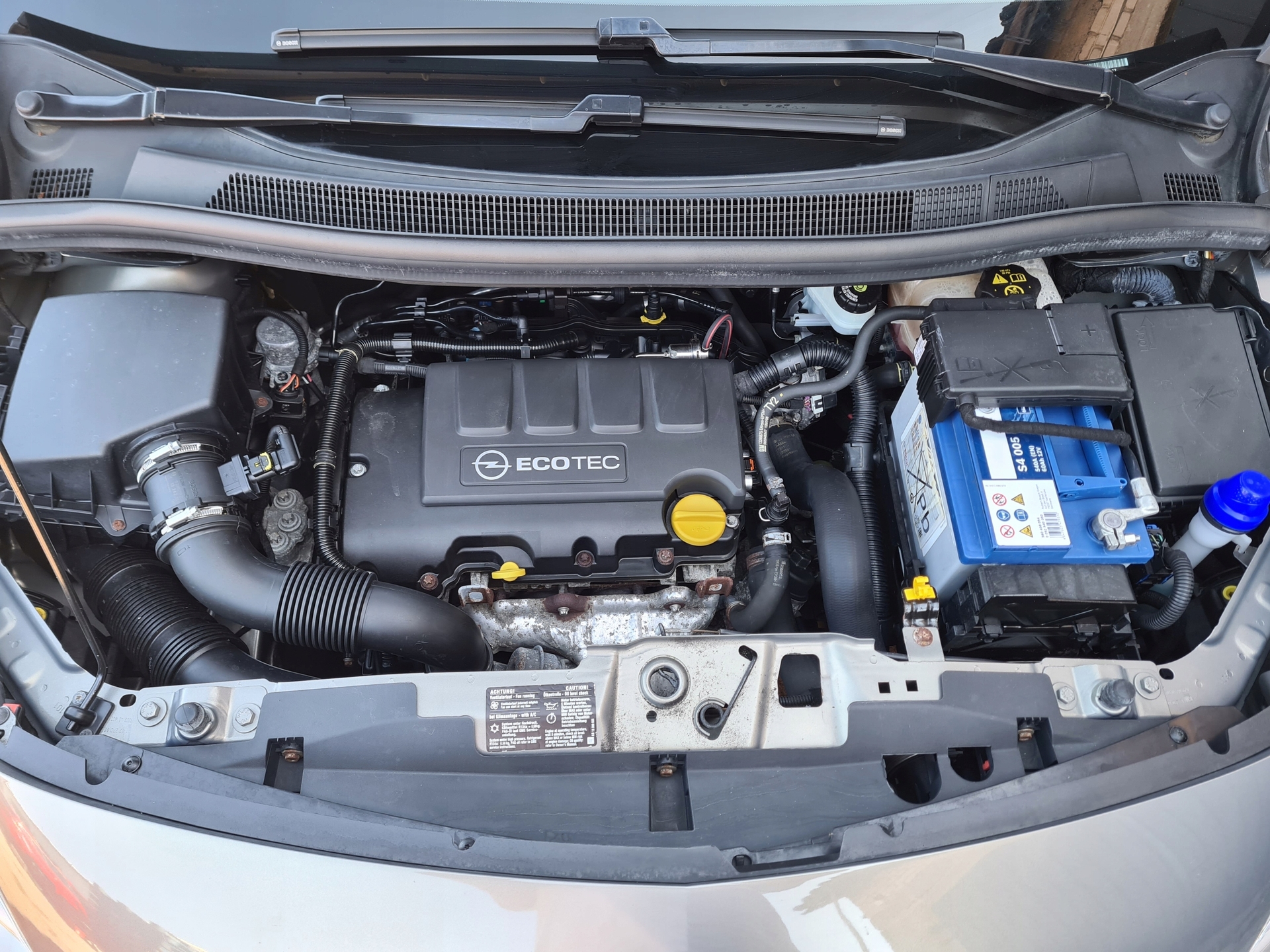
The Opel 1.0T (B10XFL/B10XFT), 1.4T (B14XFL/B14XFT) and 1.6T (A16XHT/A16SHT/B16SHT) engines, part of the SIDI (Spark Ignition Direct Injection) family, were produced between 2010 and 2020. The 1.0T has 90-115 HP, 1.4T delivers 125-150 HP, while the 1.6T outputs 170-200 HP. All engines are equipped with direct injection and turbocharging for improved performance and efficiency. These engines were used in several Opel models, including the Adam, Corsa, Astra, Insignia, and Mokka. They were also used in the Chevrolet Cruze.
1. Piston and Engine Failures
- Piston and ring failures (often referred to as piston or piston-ring breakage) are a common issue with SIDI engines. LSPI (Low-Speed Pre-Ignition) is often cited as a primary cause, leading to violent knocking and subsequent piston damage.
- In automatic transmission vehicles, LSPI is particularly common due to poor calibration, and it tends to occur when the engine operates at low RPMs while under load (e.g., sudden acceleration without downshifting). Transmission software updates are suggested to prevent these problems.
- The A14NET (140 HP 1.4T) and A16LET (180 HP 1.6T) engines are different: Used in Astra J ve Insignia, they have indirect injection. Their cooling system requires good care and maintenance due to high operating temperatures.
- A14NET (Euro 5) was replaced by the updated B14NET starting from the second half of 2015. This unit features Euro 6 compliance, a 9.5:1 compression ratio, a revised intake manifold/sensor layout and PCV/cover design, improved LPG compatibility, and overall better reliability.
2. Maintenance Practices
- To mitigate the risk of LSPI and piston breakage, using high-octane fuel (preferably with additives to increase octane rating) and Dexos1 Gen3 oil is recommended. Several users stress that Dexos1 Gen3 oil reduces the likelihood of damage, while lower-quality fuel and oil exacerbate the problem.
- Early spark plug replacement and ensuring the engine is not overloaded at low RPMs are other common suggestions to avoid LSPI-related issues.
3. Heat Management and LPG Concerns
- The Opel 1.4T engine runs hotter than many other engines, and oil coolers and thermostat modifications are commonly mentioned as necessary upgrades. Running the engine on LPG is considered risky because LPG raises operating temperatures further, increasing the risk of engine damage.
- Some argue that LPG is beneficial because it has a high octane rating and doesn’t contribute to carbon deposits, but it still requires careful management (e.g., adjusting the thermostat, using iridium spark plugs, and ensuring proper oiling).
4. Transmission and Software Issues
- Transmission calibration issues in automatic variants are linked to piston failure. Specifically, poor shifting behavior at low RPMs can lead to LSPI, and some users recommend updating the transmission software to prevent this problem.
- Sudden changes in throttle position or hard acceleration in the wrong gear are also cited as triggers for engine damage, particularly piston failure.
5. Other Common Issues
- Oil cooler failures and VANOS problems (variable valve timing) are also frequently mentioned, particularly with newer 1.6T engines. Older Opel engines, especially the naturally aspirated 1.2L and 1.4L and 1.3L diesel, are praised for their relative reliability compared to the newer turbocharged engines.
- Valve issues (especially valve stretching) seem to be more of a concern with the 1.6T engine rather than the 1.4T, which shares a block with the more reliable naturally aspirated Corsa engines.
6. Cost and Durability
- Many users have experienced expensive repair costs following piston or engine failure, with figures ranging from 50,000 to 200,000 TL in Turkey for replacements or rebuilds. Some feel that once these failures occur, the engine never fully recovers, even after major repairs.
7. Prevention Tips
- Use high-quality oil (Dexos1 Gen3), high-octane fuel, and replace spark plugs and filters regularly.
- Avoid driving at low RPMs with heavy throttle input, which is linked to piston failure.
- Consider installing additional cooling solutions (oil coolers, lower-temp thermostats) to mitigate heat buildup.
Conclusion
Opel's 1.0T, 1.4T and 1.6T engines are prone to piston and LSPI-related failures, especially if poor-quality fuel and oil are used or if the engine is driven improperly at low RPMs. Regular maintenance, including the use of high-quality fuel, oil, and transmission updates, is critical to avoiding these problems. However, users generally agree that earlier Opel engines are more reliable.
Source
Compiled from user comments made on my YouTube channel.
10 Comments