Nissan e-POWER faults
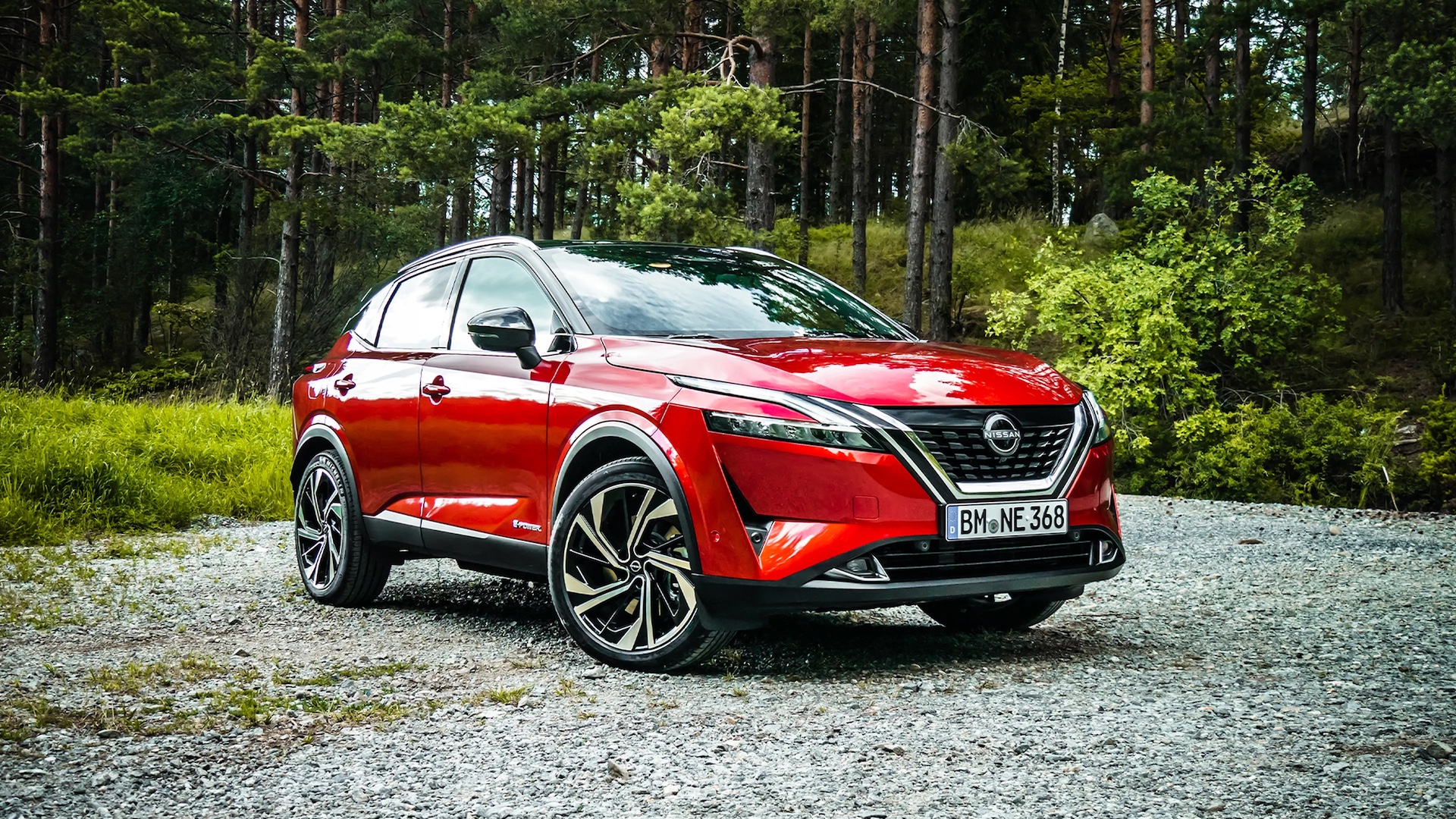
In Nissan's current Qashqai and X-Trail models, the hybrid systems are called e-POWER for front-wheel drive versions, and e-4ORCE for all-wheel drive ones. Unlike traditional hybrids, these systems use the internal combustion engine (ICE) solely to generate electricity; it's the electric motors that drive the wheels. Additionally, these vehicles do not use a conventional transmission. In theory, the goal is to offer an EV-like driving experience (instant torque, quietness) without dependence on charging infrastructure.


In e-4ORCE, the same petrol engine and battery are joined by two electric motors: 150 kW in the front and 100 kW in the rear. The total system output is 157 kW (213 hp).
Nissan first introduced its e-POWER technology in 2016 in the Japanese market with the Note. The system was launched in the European market in 2022 with the Qashqai and X-Trail. e-4ORCE was first unveiled in the Ariya and later integrated into the X-Trail.
Was It the First of Its Kind?
The e-POWER's distinguishing feature is that it's a series hybrid. In this setup, the wheels are driven solely by electric motor(s). Voltage and current come either from a generator driven by the ICE, a relatively small battery pack, or both working together.
In the more common parallel hybrid setup, the wheels are powered by the ICE, the electric motor, or both at the same time—a layout favored by many automakers. Toyota's system blends both series and parallel hybrid technologies.
The Chevrolet Volt, launched in 2011, while a plug-in hybrid, operated mostly as a series hybrid in nearly all driving situations.
The BMW i3 range extender version, introduced in 2013, is another car that operated similarly to e-POWER Nissans. The i3 REx was fundamentally an EV but had an onboard charging engine. The main difference between this and the e-POWER is that Nissan uses a much smaller and less expensive battery.
Common Issues
According to reliability surveys in the UK, Nissan ranked 28th out of 31 brands. The most frequent complaints regarding both hybrid and ICE-powered Qashqai and X-Trail models include:
- Loud “generator noise” from the internal combustion engine.
- Fuel consumption exceeding 10L/100km, especially when cold in winter.
- Whistling noise from brake pads: anti-rattle clips rubbing on discs.
- 12V battery drains if the car is unused for over a week; even after battery replacement, the issue persists.
- “e-POWER System Fault” warning leaving the car stranded.
- Climate control self-setting to a fixed temperature.
- Cruise control “Temporarily Disabled – Front Radar Blocked” error.
- Lane assist and forward collision warning lights blinking erratically.
- Subtle rattling from chassis or body during driving.
- Improperly installed or missing bolt on A/C line bracket.
- Incorrect speed limit readings and spontaneous autonomous braking.
- Trim creaking from inside the cabin.
- Wind intrusion through closed windows.
- Electric tailgate not closing fully.
- Infotainment system malfunctions.
Recalls
In the U.S., in December 2023, the ODI (Office of Defects Investigation) opened an inquiry into the 1.5L VC-Turbo petrol engine used in 2021–2023 Rogue models after complaints of engine failures and bearing seizures, leading to the inspection of over 450,000 vehicles. The current Rogue (X-Trail) has been subject to 5 recalls in the U.S.
In Australia, in 2023, some e-POWER models were recalled due to battery management system (BMS) calibration issues, which could misreport the battery's state of charge, causing the vehicle to enter limp-home mode, lose power during driving, or become non-restartable.
Also in 2023, Nissan globally recalled about 1.4 million vehicles, some equipped with e-POWER, due to issues such as unintended acceleration, software faults, and battery management problems.
13 Comments