

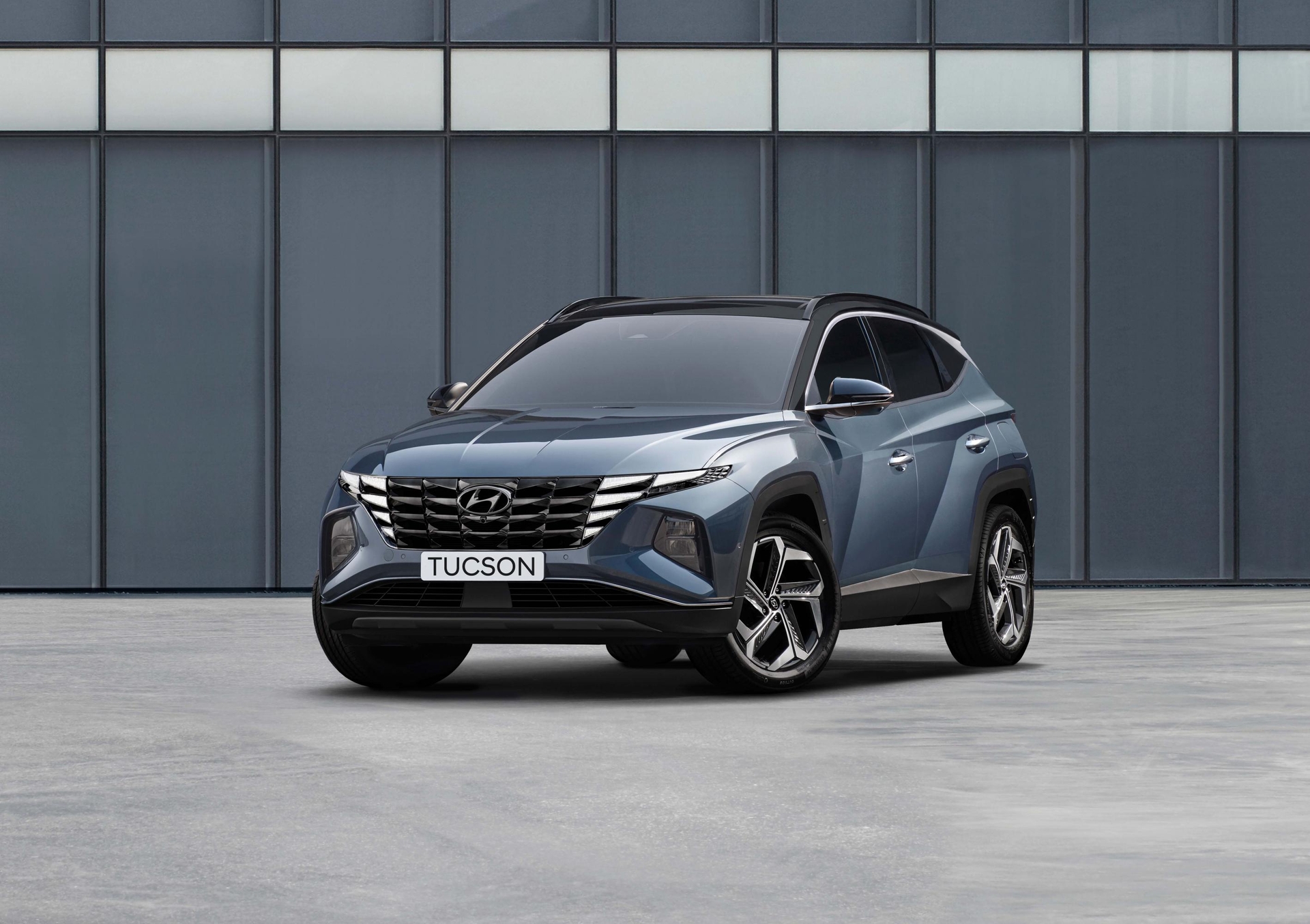
Hyundai-Kia DCT breakdown
Some of the most frequently mentioned cars in my live broadcasts are Hyundai or Kia, and nearly all of them are equipped with the group's 7-speed dual-clutch transmissions. This dry-type gearbox, in use since 2011, has two main versions:
- D7GF1/D7F22 (Rated up to 220 Nm): Mostly found in models with the 1.0 T-GDI engine.
- D7UF1/D7F34 (Rated up to 340 Nm): Typically used in models with 1.5/1.6 T-GDI and diesel engines.
Both models share electromechanical clutch and gear actuators. The transmission length is 385 mm, making it quite compact. 1st and 2nd gears are on the same output shaft, while 3rd and 6th gears are on another. Some gears are shared across multiple speeds to save space. Clutch temperature isn't measured directly, but the TCU estimates it by analyzing transmitted torque and actuator stroke. Triple-cone synchronizers and carbon-coated friction surfaces are used in 1st, 2nd, and 3rd gears. Compared to 6-speed torque-converter automatics, fuel consumption is 6-10% lower, and 0-100 km/h times are 4-6% shorter.

The three different values in D7UF1 apply to gasoline, diesel, and turbo gasoline engines.
Unique Features
These transmissions use electric servo motors and solenoids to control shifting and clutch operation, unlike other DCTs that rely on hydraulic systems. This makes maintenance easier, allowing clutch and gear actuators to be serviced without removing the entire transmission.
Issues
Some common dry-clutch DCT issues and rough operation characteristics are present here as well. These include:
- Shuddering/juddering on cold starts and initial acceleration.
- Overheating in heavy stop-and-go traffic or off-road conditions.
- However, the latest version seems to have resolved excessive overheating issues.
Additionally, some occasional errors in daily driving include:
- Not downshifting when climbing a hill, causing the engine to struggle and nearly stall.
- Failing to engage reverse when rolling downhill, allowing the vehicle to move forward instead.
- Especially in 1st and 2nd gears, it first shudders in traffic and then shifts into gear.
Like other dry-clutch DCTs (e.g., VW DQ200), clutch replacement is generally required around 50,000-100,000 km.However, some users report longer-lasting clutches.
User Manual Confusion
The latest Tucson’s user manual (Section 6, Page 34) incorrectly states that the transmission is wet-clutch.However, the 7-speed DCT (D7UF1-2) in 1.6 turbo gasoline models is dry-clutch. (The source is the LWB version of the Tucson, but aside from dimensions and weight, the SWB version sold in Turkey uses the same engine-transmission combo). Hyundai-Kia’s only wet-clutch DCT is the 8-speed unit used in the Sorento/Santa Fe.
Additionally, the same manual (Section 2, Page 17) states that all automatic transmissions—whether in internal combustion or hybrid models—are DCTs. However, the Tucson Hybrid actually uses a 6-speed torque-converter automatic (A6MF2H-2).
10 Comments