

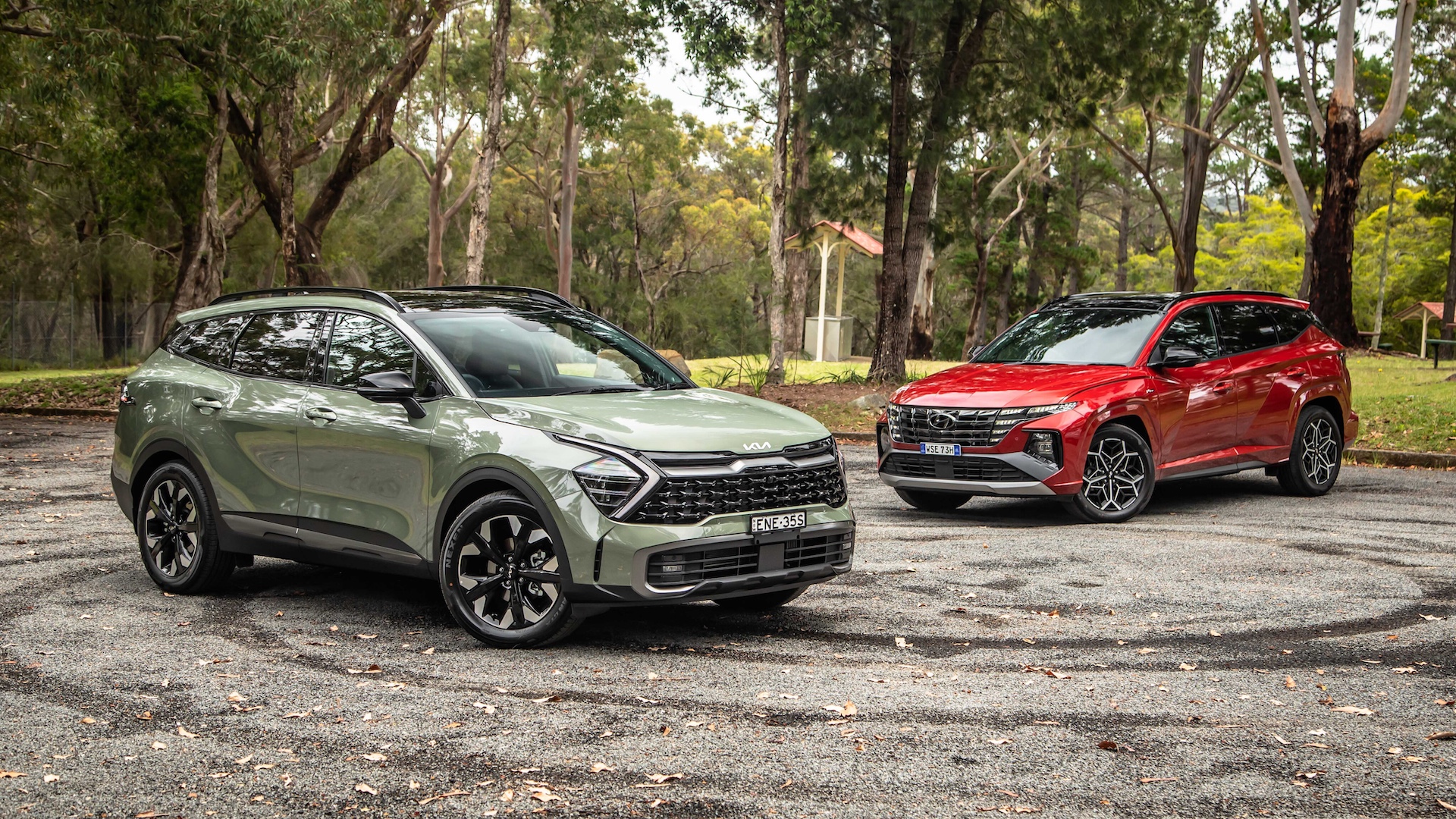
Hyundai-Kia 1.6 CRDi common issues
One of Hyundai and Kia’s most common engines is the 1.6 CRDi. This unit stood out for its reliability in almost every model it powered up until the Covid era. However, over time, as it evolved to meet modern emissions standards—with the addition of a diesel particulate filter (DPF), AdBlue, and eventually mild hybridization—it has become one of the most problematic diesel engines on the market today.
The evolution of the 1.6 CRDi can be summarized as follows:
- 2009–2018 (D4FB): Transition from Euro 5 to Euro 6b; equipped with EGR and DPF. Cast-iron block.
- 2018–2021 (D4FE): Transition to Euro 6d; AdBlue introduced. Aluminum block.
- 2021–present (D4FE; current Tucson (NX4), Sportage (NQ5)): 48-volt mild-hybrid implementation began.
Common issues:
- Aside from occasional DPF/EGR faults, pre-2018 versions are virtually trouble-free.
- 2018–2021: AdBlue system faults and fuel-pump failures have been reported. Some engines begin consuming oil from around 100 000 km, eventually requiring full rebuilds or even crate-engine replacements.
- Example case (Kia Opal Service oil-consumption and warranty issue)
- 2021–present: Exhaust-emission warnings, check-engine lights, and frequent hybrid/urea-system (AdBlue) failures are widespread. Yet the main issue is the DPF.
- There is no screen showing DPF saturation level, nor any alert when regeneration begins. As a result, drivers often stop the engine mid-regeneration without realizing it. Repeating this mistake a few times can render the DPF uncleanable and trigger the engine-warning light. If driving continues, diesel mixes with engine oil, raising the oil level and risking engine failure (“ambele”).
- Consequently, many Tucson/Sportage 1.6 CRDi owners carry OBD scanners to monitor DPF status. There are documented cases of cars needing a second engine replacement before their third year or 50 000 km.
- Example case (Kia 44 Hybrid engine failure)
We’ve already discussed the 7-speed DCT gearbox—paired with nearly all diesel Hyundai and Kia models—elsewhere: Hyundai–Kia DCT analysis
13 Comments